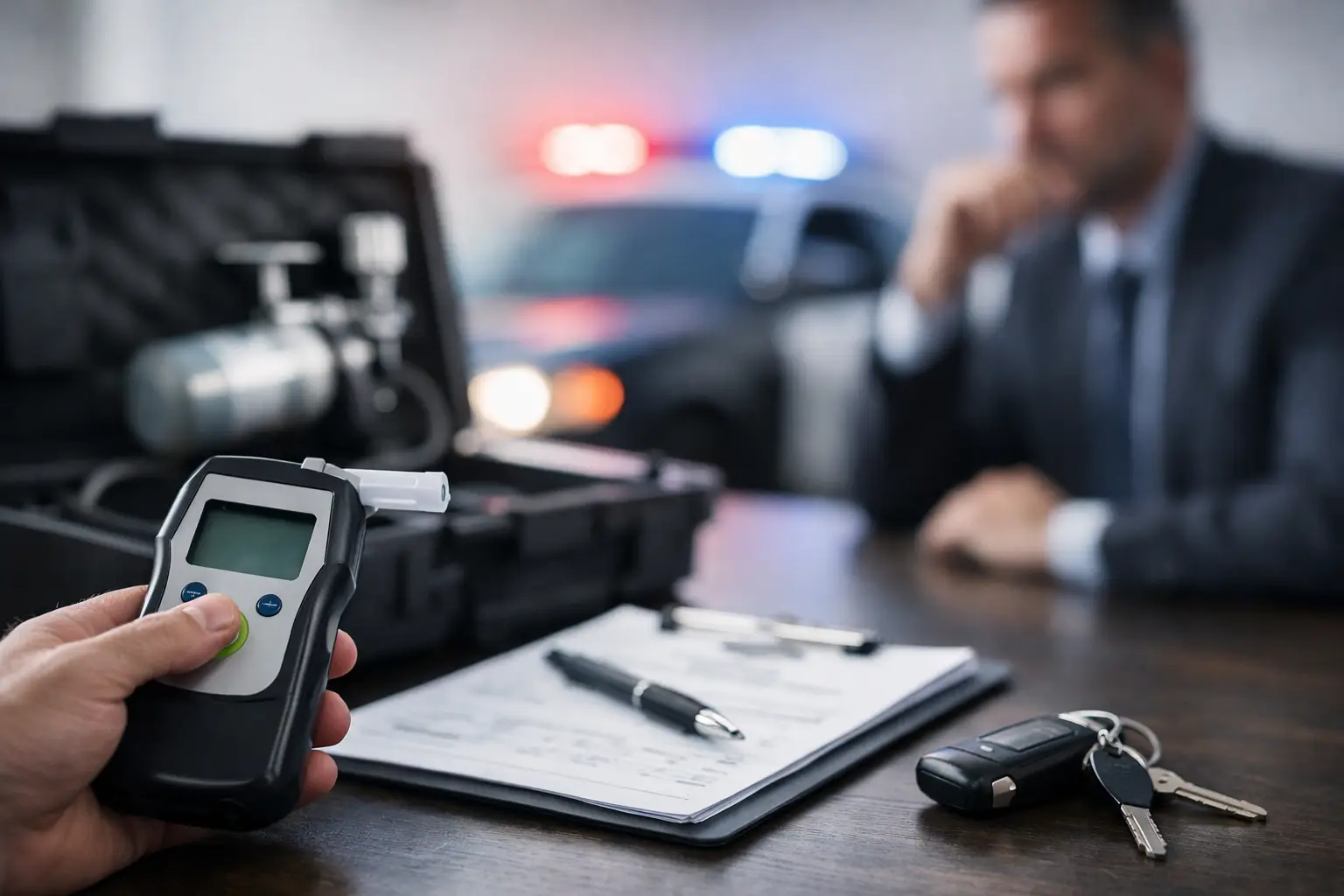
A DUI arrest can make one machine feel bigger than your entire case. If your charge involves a breath test, breathalyzer calibration records dui defense may become one of the most important pressure points in the fight against the prosecution’s evidence. The State wants the number on the printout to look final. It is not. That result is only as reliable as the device, the maintenance behind it, and the officer’s compliance with testing rules.
In Miami-Dade County, that matters more than most people realize. A breath result can affect charging decisions, negotiations, license consequences, and how a judge or jury sees your case. But a breath machine is not beyond challenge. A strong DUI defense looks past the arrest report and into the records the State often treats like routine paperwork. That is where weaknesses can surface.
Why breathalyzer calibration records matter in DUI defense
Breath testing devices must be properly inspected, maintained, and calibrated under strict procedures. If those procedures were missed, performed late, done incorrectly, or documented poorly, the reliability of the test result comes into question. That does not automatically make the case disappear, but it can weaken one of the prosecution’s most persuasive pieces of evidence.
Calibration records can show whether the machine was working within acceptable tolerances. They may also reveal recurring problems, repairs, error messages, or gaps in required inspections. If a machine was drifting out of range, producing inconsistent results, or operating after maintenance issues, the breath reading tied to your arrest may be far less trustworthy than the prosecutor claims.
That is the core of this defense strategy. The issue is not whether machines work in theory. The issue is whether this machine, on this date, under these conditions, was reliable enough to support a criminal case.
What these records can reveal
Breathalyzer calibration records are not just a technical archive. They can tell a story. Sometimes that story supports the State. Other times it opens the door to suppression arguments, cross-examination leverage, or favorable negotiations.
A close review may show missed agency inspections, incomplete maintenance logs, unexplained adjustments, or repeated service events near the date of the arrest. It can also show whether the machine passed required checks before and after the test period. If documentation is sloppy, contradictory, or missing altogether, the prosecution may have a harder time proving the result is scientifically dependable.
There is also a timing issue. A machine might pass inspection one week and still have a problem later. A clean record from one date does not end the analysis. Defense counsel must look at the machine’s pattern, not just a single line item. One isolated document rarely tells the full story.
Calibration is only part of the picture
Even when maintenance records appear acceptable, that does not mean the breath result is untouchable. The defense also examines the officer’s training, observation period compliance, the testing sequence, breath sample consistency, and whether anything could have interfered with the reading. Medical conditions, residual mouth alcohol, vomiting, burping, improper deprivation period handling, and environmental issues can all affect the result.
That is why smart DUI defense does not rely on one argument alone. Calibration records are powerful because they can support a broader evidentiary challenge. They help frame the machine as a device that must earn trust, not receive it automatically.
How Florida breath test challenges often work
In a Florida DUI case, the State generally tries to admit the breath result through statutory and administrative compliance. The prosecution wants to show the approved instrument was used properly and maintained according to the rules. If the State can do that, the result may come into evidence. If it cannot, the defense has room to attack admissibility or weight.
That distinction matters. Sometimes the goal is to keep the result out entirely. Other times the better strategy is to expose enough doubt that the prosecutor loses leverage or the factfinder stops treating the number as decisive. A breath result can be admitted and still be dismantled in court through a detailed cross-examination of maintenance records, inspection history, and testing protocol.
This is where experience matters. You are not just looking for a typo in a logbook. You are looking for a legally useful weakness. Some defects are minor. Others go directly to reliability. Knowing the difference can change the direction of the case.
Records requests and evidence review must happen fast
Time is not your friend after a DUI arrest. Administrative deadlines move quickly, and evidence can become harder to secure if the defense does not act immediately. Breath test records, agency maintenance files, video, officer notes, and related documentation should be identified and requested as early as possible.
That early review can shape the entire defense. If the records are strong, your attorney may focus more heavily on the stop, roadside investigation, arrest decision, or negotiation strategy. If the records are weak, the machine itself may become the center of the case. Either way, delay helps the State, not you.
Common problems found in breathalyzer calibration records DUI defense cases
Not every machine problem is dramatic. In many cases, the best defense comes from small but meaningful flaws that undermine confidence in the result. These include missing inspection entries, inconsistent serial numbers, maintenance performed outside required intervals, unexplained repairs, and quality assurance documents that do not line up cleanly with the test date.
Another issue is chain of documentation. The State may have records, but not the right records, or not records presented in a way that clearly establishes compliance. When prosecutors rely on assumptions instead of complete proof, the defense can force them to do more than wave around a breath ticket.
The defense may also find that the machine had prior accuracy concerns or recurring service issues. One repair does not automatically invalidate a result. Still, repeated problems can support the argument that this was not a device the court should trust without serious scrutiny.
What this means for your case in the real world
If you blew over .08, you may think the case is already over. It is not. A breath number can look damaging and still be vulnerable. That vulnerability can lead to better plea terms, reduced charges, a stronger hearing position, or a more credible trial defense. In some cases, it can significantly limit the State’s ability to prove its theory.
But this is also where false confidence can hurt you. Not every record issue wins a dismissal. Not every maintenance gap destroys the breath result. Some judges view defects differently, and some prosecutors can patch holes with additional witnesses or certifications. The law is fact-specific, and strategy must match the exact record set in your case.
That is why DIY internet research is not enough when your license, job, reputation, and freedom are on the line. You need someone who knows how to read these records, challenge the science, and turn technical flaws into legal leverage.
A strong defense looks beyond the machine
The breath test is often the headline, but it should never be the entire defense. Many DUI cases are won by attacking multiple pressure points at once. Was the traffic stop lawful? Were field sobriety exercises administered fairly? Did the officer overstate signs of impairment? Was body camera footage consistent with the report? Did the arrest happen before probable cause was actually established?
When breathalyzer calibration records dui defense is combined with those issues, the State’s case can become much less stable. Prosecutors count on people panicking and assuming the number settles everything. A disciplined defense forces them to prove every step.
For people facing DUI charges in Miami, that fight needs to start immediately. George Law builds DUI defenses by moving fast, demanding the right records, and challenging weak evidence before the State controls the narrative.
If you were arrested, do not let a printout define your future before the evidence is tested. The machine has a history. The records matter. And the right defense can make those records matter when it counts most.