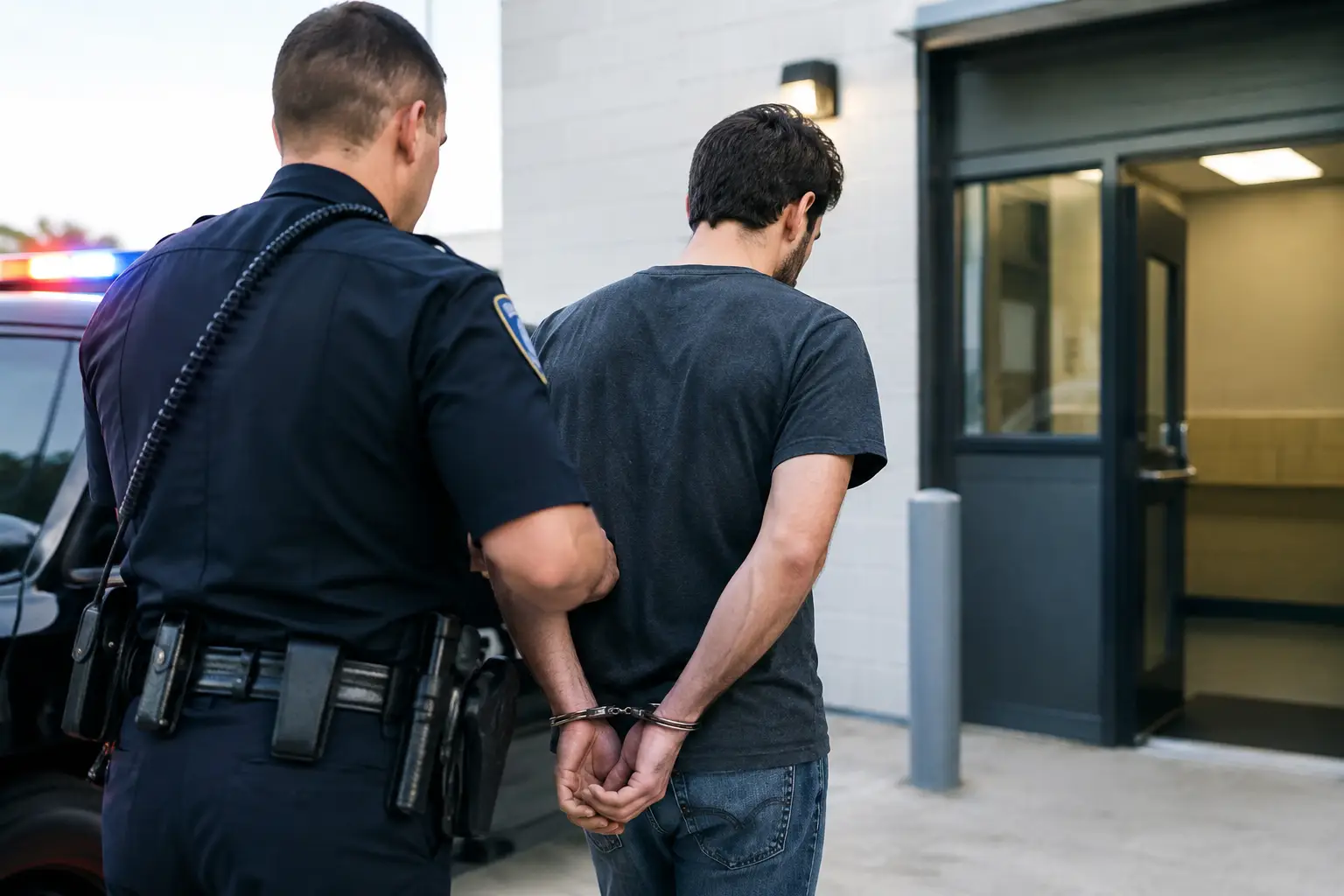
A DUI arrest does not end when the patrol car door closes. The DUI booking process is where an arrest becomes a paper trail, a criminal case, and often a separate threat to your driver’s license. What you say, what officers document, and how quickly you act after release can affect your options.
If you were arrested in Miami-Dade County, do not assume the state’s version of events is complete or accurate just because it appears in an arrest report. Booking is fast, repetitive, and stressful. Mistakes happen. Procedures matter. And the first days after an arrest are a critical window to protect your license, record, job, and freedom.
The DUI Booking Process in Miami-Dade
After an officer arrests you for DUI, you may be taken to a police station, a DUI processing center, or another approved facility. The exact location and sequence can vary based on the arresting agency, the time of day, whether there was a crash, and whether officers allege injuries or other charges.
Booking generally begins with identification. Officers record your name, address, date of birth, physical description, and other personal information. They may take fingerprints and a booking photograph. Your personal property is inventoried, and you may be searched before being placed in a holding area.
That administrative process can feel routine, but it creates records that can later matter. Time stamps may show when you were stopped, arrested, transported, read implied-consent warnings, tested, and booked. Those details can expose gaps in the state’s timeline or raise questions about whether procedures were followed.
In many DUI cases, officers also prepare reports describing your driving, your appearance, field sobriety exercises, statements, breath or blood testing, and alleged behavior during the arrest. These reports are accusations, not proof. An officer’s opinion that someone had slurred speech, glassy eyes, or poor balance can have innocent explanations, including fatigue, anxiety, injury, a medical condition, roadside conditions, or the effects of being handcuffed and frightened.
Chemical testing may occur before or during processing
Florida DUI arrests often involve a request for a breath test after arrest. In some situations, law enforcement may seek urine or blood testing instead. Officers may read implied-consent warnings and document whether you submitted to or refused a requested test.
A refusal can carry serious consequences, including an administrative driver’s license suspension and potential use of the refusal in a criminal case. But a test result does not automatically establish guilt, either. Breath machines, observation periods, operator procedures, maintenance records, medical issues, and the timing of the test can all require close review.
Do not try to argue your case in the testing room or talk your way out of booking. Be respectful, provide required identifying information, and avoid volunteering explanations, apologies, guesses, or admissions. A statement made while you are exhausted, scared, or trying to be cooperative may later be used against you.
What Happens After You Are Booked?
Once booking is complete, you may be held until bond is set, posted, or otherwise resolved. For a straightforward misdemeanor DUI, release may happen relatively quickly, but there is no guaranteed release time. A crash, alleged injury, prior DUI history, probation status, or additional charges can change the situation significantly.
You may receive paperwork at release. Do not throw it in a drawer. Preserve every page, including the citation, bond documents, notice of suspension, property receipt, and court date information. Take clear photographs of the documents if you are worried about losing them.
The arrest can trigger two separate tracks. One is the criminal DUI charge in court. The other is the administrative action against your driving privilege through the Florida Department of Highway Safety and Motor Vehicles. Winning or resolving one track does not automatically resolve the other.
For many DUI arrests, there is a very short deadline to challenge the administrative suspension. In Florida, you generally have only 10 days from the date of arrest to request a formal review hearing. Missing that deadline can cost you a meaningful opportunity to challenge the suspension and examine issues connected to the arrest. Eligibility and available options depend on the facts, including whether there was a test result or an alleged refusal.
This is not a deadline to gamble with. Contacting a DUI defense lawyer immediately gives your defense a chance to preserve the right strategy before time runs out.
What a DUI Booking Record Can Reveal
A strong DUI defense does not begin in court months later. It begins by examining what happened from the first police contact through release. The booking record and related documents may help identify weaknesses that are not obvious from a short arrest report.
Your defense may need to examine whether the traffic stop was lawful, whether the officer had sufficient grounds to expand the stop into a DUI investigation, and whether probable cause existed for the arrest. If the stop or arrest was unlawful, key evidence may be subject to challenge.
The timeline also matters. DUI testing procedures are not just technical details. A missing observation period, unexplained delay, incomplete warning, inconsistent time entry, or conflict between video and an officer’s report can affect the reliability and admissibility of evidence.
Video evidence can be especially important. Dash camera, body camera, station video, and surveillance footage may show whether field sobriety exercises were clearly explained, whether the testing environment was fair, or whether an officer’s written description matches what actually happened. That evidence can be lost or overwritten if no one acts quickly to preserve it.
What to Do in the First 24 Hours
Your next move should be deliberate. Panic leads people to post about an arrest, call witnesses repeatedly, or contact the officer or alleged victim. Those choices can create new problems. Focus on protecting evidence and getting informed legal advice.
First, gather and save every document you received. Write down what you remember while the details are fresh: where you were stopped, what you were asked, whether you performed roadside exercises, what you drank or consumed, whether you had medical conditions or injuries, and what testing was requested. Do not alter facts or coordinate stories with anyone else. Your lawyer needs an honest account to build an effective defense.
Second, protect your driving privileges. The 10-day administrative deadline can arrive before you have even processed the arrest. A DUI lawyer can assess the notice, explain the hearing process, and determine what action is available for your circumstances.
Third, stay off social media. Do not post a joke, an explanation, a photo from the night, or a complaint about law enforcement. Prosecutors can use public posts to fill gaps in their case. Tell close friends and family to avoid discussing your situation online as well.
Finally, get DUI-specific legal representation before your first court appearance. A lawyer should investigate the stop, arrest, field sobriety exercises, breath or blood testing, officer conduct, video evidence, and procedural deadlines. George Law approaches DUI cases with that urgency because early action can shape what evidence is preserved and what defenses remain available.
Booking Is Not a Conviction
Being photographed, fingerprinted, tested, and placed in a holding cell is designed to make an arrest feel final. It is not final. The prosecution still must prove its case, and the state’s evidence can be challenged at multiple points.
The right strategy depends on the facts. A first-offense DUI with a breath result presents different issues than an alleged refusal, a crash case, an underage DUI, or a repeat offense. Some cases call for aggressive litigation over the stop or test. Others may require focused negotiation to reduce the damage to a license, career, or family. No honest lawyer can promise a particular result before reviewing the evidence.
What is certain is that delay helps the state, not you. Preserve your paperwork, avoid statements, and act before the license deadline passes. The hours after booking are not just frightening – they are your first opportunity to start fighting back.